
Jewish Hat Styles, Cultural Significance and Custom Branding Opportunities in Australia
Explore Jewish hat styles, their cultural meaning, and how Australian businesses can respectfully incorporate branded headwear into promotions.

Written by
Jay Mahoney
Custom Apparel
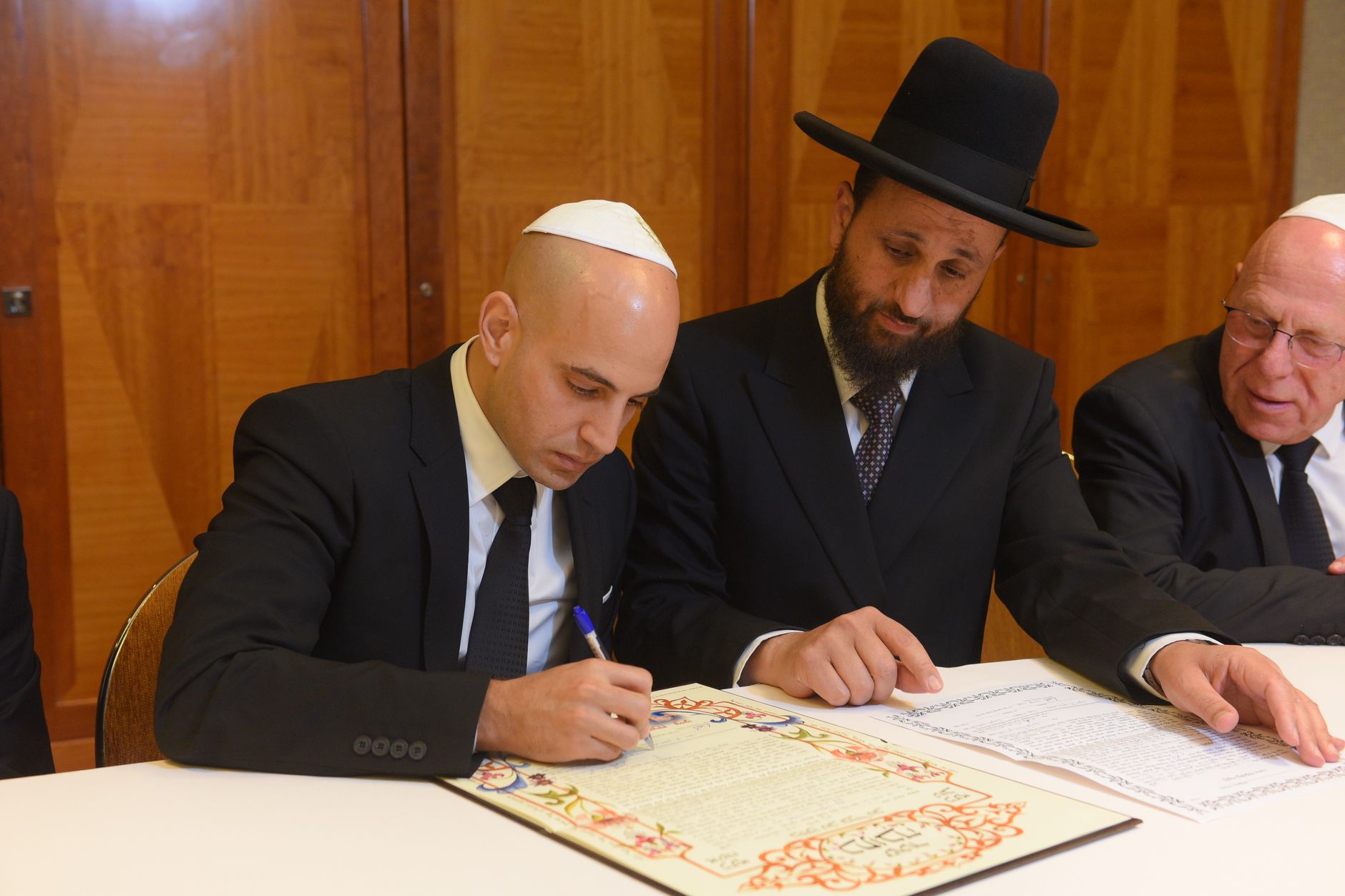
When people search for “Jewish hat,” they’re often looking for one of two things: an understanding of the traditional headwear worn within Jewish communities, or guidance on how to thoughtfully incorporate culturally significant headwear into branded merchandise, event gifting, or community-focused promotional campaigns. For Australian marketing teams, event organisers, and businesses working with diverse communities, understanding the difference between culturally meaningful items and standard promotional headwear is essential — both for respecting tradition and for making smart, informed purchasing decisions. This guide covers the key styles of Jewish headwear, their cultural context, and where branded headwear more broadly fits into a well-rounded promotional products strategy.
Understanding Jewish Hat Styles: A Brief Cultural Overview
Jewish headwear is rooted in religious observance and cultural identity, and different styles reflect different communities and traditions. The most widely recognised is the kippah (also called a yarmulke), a small, rounded skullcap worn by Jewish men as a sign of reverence and acknowledgement of a higher presence. Kippahs come in a wide range of styles — suede, velvet, knitted, and crocheted — and vary significantly between Ashkenazi, Sephardi, and Mizrahi communities.
Beyond the kippah, there are several other notable styles:
The Shtreimel
Worn predominantly by Hasidic Jewish men, particularly on Shabbat and Jewish holidays, the shtreimel is a large, round fur hat with a distinctive and instantly recognisable silhouette. It’s a significant cultural and religious item, and one that carries deep community meaning in cities like Melbourne and Sydney, where Hasidic communities are well established.
The Spodik
Similar to the shtreimel but taller and more cylindrical, the spodik is worn by certain Hasidic groups, particularly those of Polish descent. Like the shtreimel, it’s considered formal religious attire rather than everyday wear.
The Homburg and Fedora
Many Orthodox Jewish men wear wide-brimmed black felt hats, often a homburg or fedora style, as part of their everyday dress. These styles have become strongly associated with observant Jewish communities in countries including Australia, particularly in suburbs of Melbourne like St Kilda and Caulfield, and in Sydney’s eastern suburbs where significant Orthodox communities reside.
The Knitted Kippah
Particularly common in modern Orthodox and Religious Zionist communities, the knitted or crocheted kippah is often larger and more visible than the suede variety. Personalised and custom-made kippahs are genuinely part of Jewish culture — it’s common to see custom-printed or embroidered kippahs produced as gifts for bar mitzvahs, bat mitzvahs, weddings, and community events.
Custom Kippahs as Branded or Personalised Merchandise
One of the most interesting intersections between Jewish headwear and the promotional products industry is the custom kippah. Personalised kippahs are a long-standing tradition within Jewish communities, and they represent a genuinely meaningful gift item for lifecycle events and community celebrations.
For businesses and marketing professionals working with Jewish community organisations, synagogues, Jewish schools, or cultural groups across Australia, understanding this product category opens up real opportunities to serve clients well. Here’s what to keep in mind:
Minimum Order Quantities and Decoration Options
Custom kippahs are typically ordered in quantities ranging from 50 to 500 pieces for events. Decoration methods vary depending on the material — suede and velvet kippahs can be personalised with heat transfer or digital embroidery, while fabric kippahs can be screen printed or sublimated with event names, dates, or logos.
Understanding decoration methods is key to delivering quality outcomes. Our quality guide to debossing for promotional products is a useful starting point for understanding how different embellishment techniques work on soft goods, and the same principles apply across a range of customised items.
Turnaround Times
For custom kippahs — particularly for bar or bat mitzvah events, Jewish New Year functions, or Passover Seder gatherings — lead times can be tight. Standard production typically runs between 10 and 20 business days. If you’re sourcing these through a promotional products supplier, always confirm stock availability and production capacity well in advance, especially for events falling around Rosh Hashanah or Pesach when demand can peak.
Budget Considerations
Custom kippahs generally sit at a modest price point, making them ideal for bulk event gifting. Pricing varies based on material quality (velvet and suede command a slight premium over basic fabric), the complexity of the decoration, and whether individual name personalisation is required per unit.
Branded Headwear More Broadly: A Corporate Gifting Perspective
While the cultural significance of Jewish headwear is distinct, the broader conversation around custom headwear as a promotional or corporate gift is one that Australian businesses across all sectors are increasingly engaging with. Caps, beanies, bucket hats, and structured hats remain among the most popular branded merchandise items for marketing teams, sporting clubs, and event organisers nationwide.
If you’re a marketing professional exploring headwear as part of a broader merchandise strategy, it helps to understand the range of options available through promotional products companies in Australia before locking in your order.
Caps and Structured Hats
Branded caps remain a go-to item for trade shows, sports clubs, school events, and corporate activations. Whether it’s a Brisbane rugby league club looking for team caps or a Perth mining company ordering hi-vis-accented workwear headwear, structured caps with embroidered logos are perennially popular.
Our overview of promotional products for small business covers how smaller organisations can make headwear work within tighter budgets without sacrificing quality or brand impact.
Beanies for Winter Campaigns
For Melbourne, Canberra, Hobart, and the southern states during the cooler months, beanies represent an excellent branded headwear opportunity. They offer a large embroidery surface, broad demographic appeal, and excellent perceived value relative to their cost.
Bucket Hats for Outdoor Events
Gold Coast and Darwin event organisers particularly appreciate bucket hats for outdoor activations. They’re practical, sun-safe, and easy to decorate via embroidery or woven labels.
Respecting Cultural Context When Sourcing and Marketing Headwear
For marketing teams and businesses who are sourcing headwear for multicultural events, community organisations, or culturally diverse client bases, sensitivity and awareness are paramount. Jewish headwear — particularly the kippah — carries deep religious and cultural significance. It should never be used as a novelty item, costume piece, or generic promotional giveaway without the expressed context of a Jewish community event or organisation.
When in doubt, consult directly with community representatives or organisational stakeholders before commissioning custom kippahs or culturally specific headwear items. This approach reflects the kind of thoughtful, respectful promotional strategy that builds long-term client relationships and genuine community goodwill.
More broadly, approaching culturally significant products with the same care and due diligence you would apply to sourcing sustainable promotional items or personalised tote bags — with research, planning, and stakeholder input — will always lead to better outcomes.
Headwear in the Context of a Complete Promotional Strategy
Headwear is rarely purchased in isolation. For marketing teams building out event merchandise packs, trade show giveaways, or corporate gift sets, branded caps or beanies are typically one component of a broader suite of products. Understanding how different items work together helps you maximise impact and budget efficiency.
Some popular companion items for headwear in promotional packs include:
- Branded water bottles — check out our guide to reusable branded water bottles for options that complement any merchandise pack
- Custom tote bags — excellent for events, schools, and community organisations; our personalised tote bag resource covers what to look for
- USB drives — a practical tech accessory for conferences and trade shows; explore printed USB drives for branded options
- Wristbands — ideal for ticketed events or community days; our guide on wristbands for events outlines the key options
For trade show exhibitors in particular, combining eye-catching headwear with a well-designed display setup can significantly boost foot traffic. Our resource on trade show exhibit booths covers how to tie your branded merchandise into a cohesive booth experience.
It’s also worth staying across the promotional products growth forecast for Australia and supply chain trends in the Australian promotional products industry to understand how lead times, pricing, and product availability are shifting — both of which affect headwear sourcing timelines and budget planning.
If you’re looking for local decoration services, our guide to finding a print shop near you and options for printing near you can help you identify suppliers who can handle custom headwear decoration with quick turnarounds.
Conclusion: Key Takeaways for Australian Businesses and Marketing Teams
Whether you’re sourcing custom kippahs for a Jewish community event or exploring branded headwear as part of a broader promotional campaign, the principles of thoughtful procurement, cultural respect, and strategic planning remain the same.
Here are the key points to carry away from this guide:
- Cultural awareness matters: Jewish headwear — particularly the kippah, shtreimel, and homburg — carries deep religious and community significance. Treat these items with respect and always work collaboratively with community stakeholders when commissioning culturally specific products.
- Custom kippahs are a legitimate merchandise category: For bar and bat mitzvahs, Jewish school events, and community celebrations across Australia, personalised kippahs represent a meaningful and well-received gift item.
- Plan ahead for tight turnarounds: Whether ordering custom kippahs or branded caps, lead times of 10–20 business days are standard; factor in religious calendar dates when scheduling.
- Headwear works best as part of a complete merchandise strategy: Pairing branded hats or caps with complementary items like tote bags, drinkware, and stationery maximises perceived value and campaign impact.
- Decoration method selection is critical: Different materials and hat styles suit different techniques — embroidery, heat transfer, and sublimation each have their strengths depending on the substrate and the quantity required.
Approaching the jewish hat category — in all its cultural richness and commercial variety — with knowledge, sensitivity, and strategic thinking will ensure your branded merchandise decisions are both effective and respectful.