
Custom Caps for Cycling Teams in Australia: The Complete Ordering Guide
Discover how Australian cycling teams can design and order custom caps, from decoration methods to MOQs, budgets, and the best styles.

Written by
Jay Mahoney
Custom Apparel
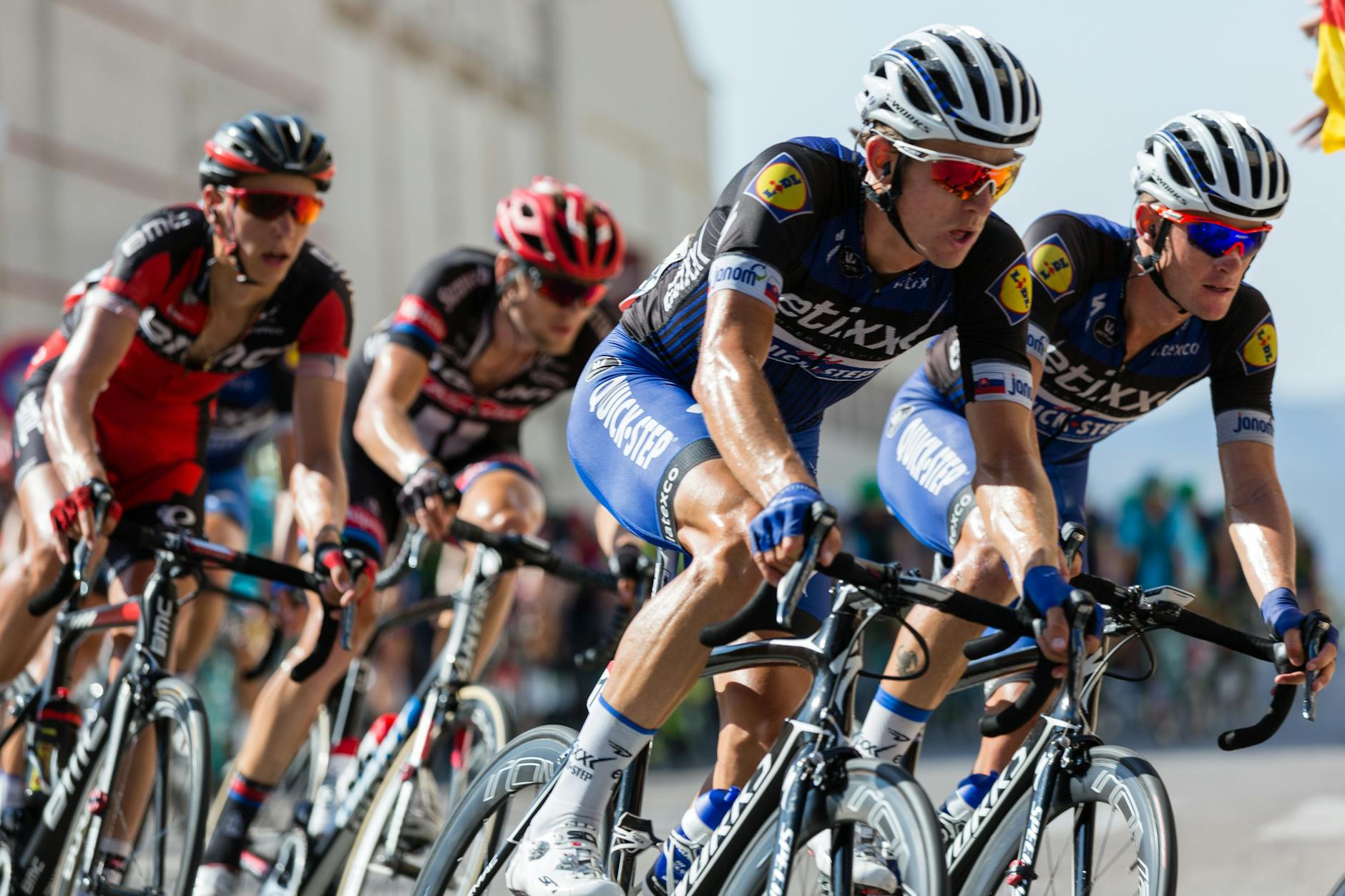
Pulling on a team cap before a ride is one of those small rituals that means something. It signals belonging, builds camaraderie, and — when the cap is well-designed — projects a professional image that sponsors and supporters genuinely notice. For cycling clubs and competitive teams across Australia, custom caps for cycling teams are far more than just headwear. They’re a core piece of kit that carries your club’s identity whether you’re rolling through the streets of Adelaide, training in the hills around Brisbane, or lining up for a criterium in Melbourne. This guide walks you through everything you need to know to order custom cycling caps that your riders will actually want to wear.
Why Custom Caps Matter for Australian Cycling Teams
Cycling is a sport deeply tied to identity and visual branding. The peloton is a moving billboard, and the cap sitting under (or above) a helmet is one of the most visible pieces of kit in that picture. In a club environment, custom caps help unify riders across different ability levels and ages, giving everyone from the A-grade racers to the Sunday social riders a shared sense of identity.
Beyond the sport itself, caps serve a practical function. Cycling caps keep sweat out of eyes, offer a layer of sun protection during long summer rides, and fit comfortably under helmets — a necessity for Australian conditions where the UV index is consistently brutal. A well-made custom cap that performs during a four-hour ride in the Perth hills is going to get worn repeatedly, giving your club’s branding ongoing, everyday visibility.
There’s also a real opportunity here for clubs with sponsors. A custom cap is a tangible asset that gives sponsors logo placement in a highly visible position. That’s a meaningful value-add when approaching local businesses for support, and it’s something to keep in mind alongside your broader promotional marketing strategy for the club.
Types of Cycling Caps Available for Custom Decoration
Not all caps are created equal, and the cycling category has some very specific styles worth understanding before you place an order.
Traditional Cycling Caps (Casquette Style)
The classic cycling cap — flat-brimmed, lightweight, and made from cotton or a cotton-polyester blend — is the most recognisable style in the sport. These are the caps that fold and tuck into a jersey pocket mid-ride. They’re beloved by road cyclists and velodrome riders for their heritage feel and practicality. For sublimation printing, this style is ideal because the lightweight fabric takes colour exceptionally well, producing vibrant, edge-to-edge artwork with no cracking or fading.
Performance Running and Cycling Caps
These are structured, moisture-wicking caps with mesh panels or technical fabric construction. They’re suited to hotter Australian climates and longer endurance rides. Decoration on performance caps typically involves embroidery for the front panel or a combination of heat transfer for side and back designs. These caps tend to have a higher per-unit cost but hold up better under heavy use.
Structured Five-Panel and Six-Panel Caps
Often borrowed from streetwear, these styles have crossed into cycling culture — particularly for gravel riding communities, bikepacking clubs, and teams that sell merchandise at events. They’re a versatile option that members might wear off the bike too, extending your branding reach. Embroidery is the most popular decoration method for structured caps, giving a premium look that works well for promotional products for small business sponsors who want their logo presented professionally.
Decoration Methods for Custom Cycling Caps
Choosing the right decoration method is just as important as choosing the right cap style. Each method has trade-offs in cost, minimum order quantity, and visual outcome.
Sublimation Printing
Sublimation is the gold standard for cycling caps, particularly the traditional casquette style. It allows full-colour, all-over printing with no minimum colour restrictions, making it perfect for complex designs featuring gradients, photography, or intricate patterns. The ink becomes part of the fabric rather than sitting on top of it, so there’s no cracking and the colours remain vivid wash after wash. For clubs working with a graphic designer to create bold, distinctive kit, sublimation is almost always the right call.
If you’re curious about how sublimation compares to other methods across different products, our exploration of sublimation on custom pens in Australia gives a useful breakdown of how the technique translates across product types.
Embroidery
Embroidery is better suited to structured caps where you want a small, high-quality logo on the front panel. It adds texture and a premium feel that many clubs prefer for sponsor logos and official club crests. The limitation is that embroidery works best with simpler designs — fine detail and gradients don’t translate well into thread. Setup costs for embroidery (the digitisation fee) typically range from $30 to $80 as a one-off cost, then per-unit embroidery costs depend on stitch count.
Heat Transfer and Direct-to-Film (DTF)
Heat transfer is a versatile middle-ground option that can handle more detailed artwork than embroidery without requiring the full-fabric commitment of sublimation. DTF in particular has become increasingly popular in 2026 because it handles small runs well, typically with no minimum order quantity (MOQ) requirements. This makes it a good option for clubs that need a small batch of caps for committee members or event staff.
Planning Your Custom Cap Order: Key Considerations
Minimum Order Quantities and Sizing
For sublimation cycling caps, MOQs in Australia typically sit between 12 and 50 units, depending on the supplier. Embroidered structured caps often have lower MOQs — sometimes as few as 6 to 12 units — but with higher per-unit costs at low quantities. Bulk pricing tiers usually kick in at 50, 100, and 250 units, so if your club is large enough, it’s worth crunching the numbers on a bigger order to reduce per-unit cost significantly.
Sizing is worth thinking about carefully. Traditional cycling caps are generally one-size-fits-all due to their fold-down brim construction, which simplifies the ordering process. Structured caps with adjustable straps also largely sidestep the sizing issue. If you’re ordering performance caps with fixed sizing, collect rider measurements before finalising quantities at each size.
Artwork and Proof Approval
Good artwork is the foundation of a great cap. Suppliers will typically request vector files (AI or EPS format) for embroidery and high-resolution files (300 DPI minimum) for print methods. If your club doesn’t have a professional logo file, it’s worth getting one created — it’ll serve you across all future kit and merchandise orders. Always request a physical or digital proof before approving a full run. For sublimation caps especially, what looks great on screen can shift slightly in print, so proof approval protects your investment.
If your club is also looking at recognising member contributions — for instance, end-of-season club awards — it’s worth exploring options like personalised ribbons for employee of the month programs, which can translate equally well to club recognition contexts.
Turnaround Times for Australian Orders
Standard turnaround for custom cycling caps in Australia is typically 10 to 20 business days from proof approval, depending on the supplier and decoration method. Rush orders are possible — some suppliers can turn around embroidered caps in as few as 5 business days — but attract a premium. If you’re ordering for a specific event like a club championship, a gran fondo, or a season opener, build in at least four to six weeks from initial enquiry to delivery. Supply chains in the Australian promotional products industry have continued to stabilise in 2026, but it’s always smart to leave buffer time, as explored in our look at supply chain trends in the Australian promotional product industry.
Budgeting for Your Cap Order
Budget planning varies significantly based on style and decoration. Here’s a rough guide for Australian cycling clubs:
- Traditional sublimation casquettes: $15–$30 per unit at quantities of 25–50
- Embroidered structured caps: $18–$40 per unit at quantities of 12–50
- Performance technical caps with embroidery: $25–$55 per unit at quantities of 25+
Setup fees vary but are typically a one-off cost. Sublimation usually has no setup fee per se, but design preparation time may be charged. Embroidery digitisation is a one-time cost that can be reused for future orders.
If your club is balancing multiple merchandise needs — say, caps alongside branded water bottles for training or event hydration — bundling orders through a single supplier can sometimes unlock freight savings. Our guide to reusable branded water bottles covers the key considerations for that product category.
Making the Most of Your Custom Cycling Caps
Selling Through the Club
Many clubs offset the cost of cap production by selling them to members and the public as merchandise. At events and club days, a well-designed cap at a $30–$40 retail price can return a tidy margin while giving your club additional brand visibility. If you’re running a merchandise table at events, consider pairing caps with other items — personalised stubby holders and personalised tote bags make great add-ons that round out a merchandise offering.
Using Caps to Attract Sponsors
A custom cap with sponsor logo placement is a concrete, tangible deliverable you can offer local businesses. Frame it as part of a broader sponsorship package that includes jersey logos and event signage. For clubs looking to understand how promotional products fit into broader marketing, our overview of promotional products growth forecasts in Australia provides useful context on why physical branded merchandise continues to deliver strong returns.
Gifting Caps at Club Events
End-of-season presentations, club championships, and milestone rides are all natural occasions to gift custom caps. A numbered limited-edition design for a club anniversary creates genuine keepsake value. Pair cap gifting with wristbands for events to create a cohesive event merchandise experience.
Conclusion: Getting Your Custom Cycling Cap Order Right
Custom caps for cycling teams in Australia are a smart investment when you approach them with the right information. Whether you’re a grassroots club in Hobart ordering your first 20 casquettes or a large racing association in Sydney coordinating a 200-unit run across multiple grades, the fundamentals are the same: choose the right cap style for your riders’ needs, match the decoration method to your design, plan your timeline generously, and use your caps strategically across merchandise, sponsorship, and club gifting.
Here are the key takeaways to carry into your next order:
- Match cap style to purpose — casquettes for performance riders, structured caps for casual wear and merchandise sales
- Sublimation is best for bold, full-colour designs; embroidery suits simpler, premium logo work
- Plan at least four to six weeks from enquiry to delivery to avoid event-day stress
- MOQs vary — check minimum quantities before committing to a style, especially for smaller clubs
- Caps are a sponsorship asset — leverage them as part of a structured sponsor package to offset costs and fund future kit