
Supply Chain Trends Shaping the Australian Promotional Products Industry in 2026
Explore the key supply chain trends transforming Australia's promotional products industry and what they mean for your next branded merch order.

Written by
Zoe Farah
Industry Trends & Stats
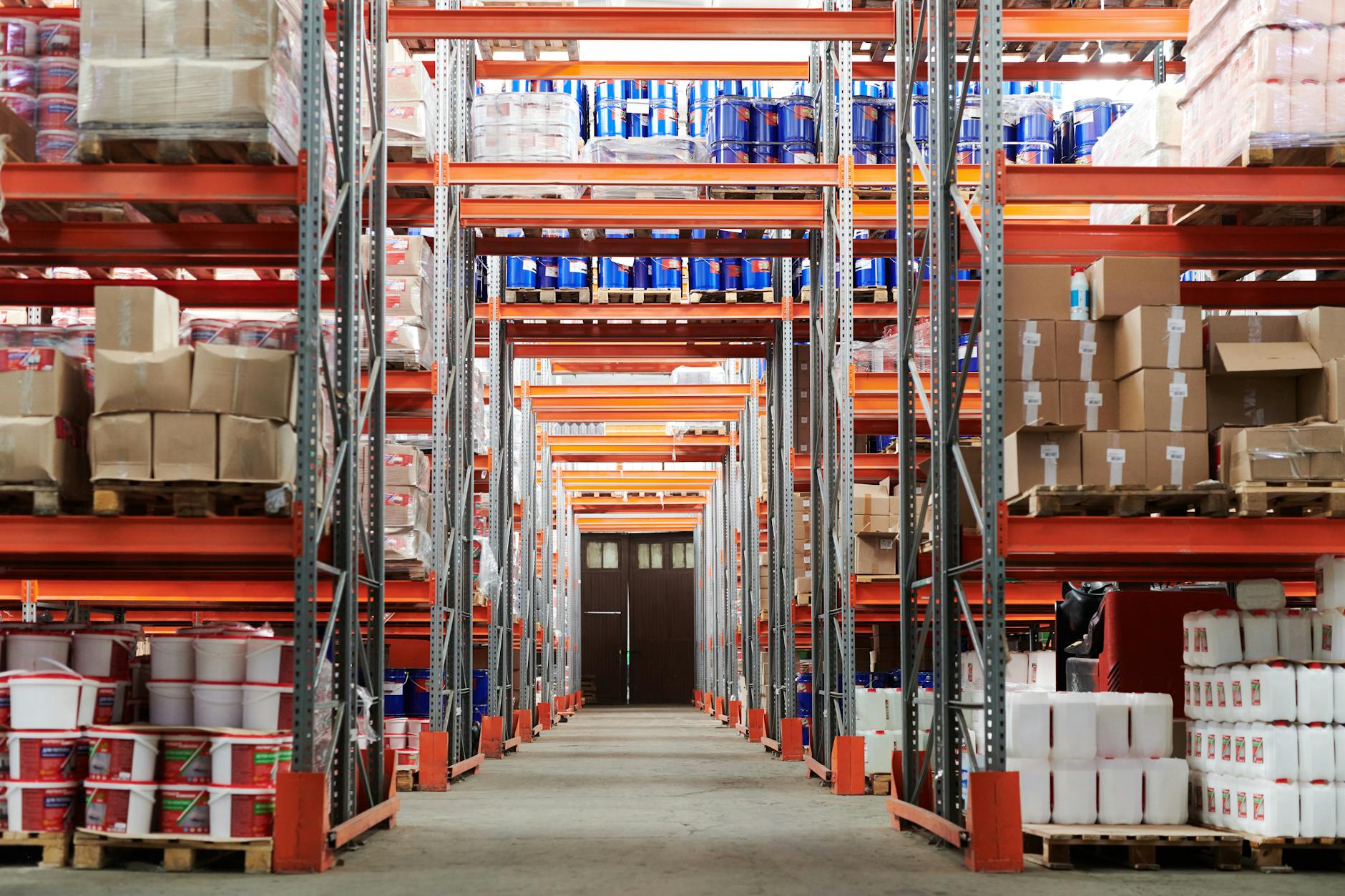
If you’ve placed a bulk order for branded merchandise recently, you’ve likely noticed things feel a little different to how they did just a few years ago. Lead times, pricing structures, material availability, and sourcing conversations have all shifted — and not subtly. The supply chain trends reshaping the Australian promotional products industry in 2026 are influencing how marketing teams plan campaigns, how businesses budget for branded gear, and how sports clubs time their uniform orders. Whether you’re coordinating merchandise for a Sydney conference or sourcing custom apparel for a Brisbane footy club, understanding what’s happening behind the scenes can save you real time, money, and stress.
Why the Promotional Products Supply Chain Has Changed
The Australian promotional products sector has been navigating significant structural changes over the past several years. A combination of global disruptions, shifting consumer expectations, and emerging sustainability pressures has fundamentally altered how products move from manufacturer to end user.
Historically, the majority of promotional items sold in Australia were manufactured offshore — predominantly in China — and imported in large volumes. That model still exists, but it’s been supplemented and in some cases replaced by more diversified, flexible supply approaches. Distributors are now thinking more carefully about where their stock comes from, how quickly it can move, and how they can protect their clients from the kind of delays that have become uncomfortably familiar.
For marketing teams working to tight event timelines and sports clubs managing seasonal gear needs, these shifts have real practical implications. Understanding the forces at play helps you plan smarter and communicate more effectively with your supplier.
Key Supply Chain Trends Affecting Australian Promotional Products in 2026
Diversification Away from Single-Source Manufacturing
One of the most significant supply chain trends in the Australian promotional products industry right now is the active diversification of manufacturing sources. Rather than relying exclusively on factories in a single country or region, distributors are increasingly splitting their supply base across multiple manufacturing hubs — including Vietnam, India, Bangladesh, and Taiwan, alongside China.
This shift is driven partly by risk management and partly by cost pressures. When a single source experiences disruption — whether through geopolitical tensions, shipping delays, or raw material shortages — a diversified supply chain provides an important buffer. For the end customer, this generally means greater consistency of supply, though it can also introduce variability in product specifications and quality standards that suppliers need to actively manage.
Longer Advance Planning Cycles
Gone are the days when you could phone up a supplier a fortnight before your event and expect everything to arrive pristine and on time. Planning cycles have extended considerably, and smart organisations are building this into their annual calendars.
For major events like trade shows and conferences, the best practice recommendation in 2026 is to begin discussions with your promotional products supplier at least 8 to 12 weeks before your required delivery date — and even earlier for large or complex orders involving custom decoration methods like embroidery, sublimation, or multi-colour screen printing.
If your team regularly attends trade show exhibit booths or coordinates year-round promotional marketing campaigns, building a rolling merchandise calendar is one of the most effective operational decisions you can make.
Rising Freight and Logistics Costs
Freight costs remain elevated compared to pre-2020 benchmarks, and this is feeding directly into the pricing of imported promotional products. Container shipping rates, air freight surcharges, and last-mile delivery costs have all contributed to upward pressure on the landed cost of goods arriving in Australian warehouses.
For businesses in regional areas — think Darwin, Hobart, or rural Queensland — this can mean meaningfully higher delivery costs compared to metro hubs in Melbourne, Sydney, or Perth. It’s worth factoring logistics into your total budget from day one rather than treating it as an afterthought.
The good news is that many distributors have responded by expanding their local warehousing of high-turnover stock items, which means faster fulfilment for orders on in-stock products like branded pens, lanyards, and tote bags. If you’re browsing options for promotional products for small business needs, asking your supplier about locally held stock is a great way to compress turnaround times.
The Accelerating Push for Sustainable Sourcing
Sustainability is no longer a niche consideration in the promotional products space — it’s a mainstream supply chain priority. Australian businesses and government bodies are increasingly asking their promotional merchandise suppliers to demonstrate ethical sourcing practices, reduced carbon footprints, and product certifications.
This has accelerated investment in sustainable promotional items and placed pressure on the supply chain to deliver products made from recycled, organic, or renewable materials. Bamboo-based products, recycled PET drinkware, and organic cotton apparel are now genuinely mainstream options rather than premium curiosities.
The interesting supply chain challenge here is that sustainable materials often have more complex or constrained supply chains than conventional alternatives. Certified organic cotton, for example, requires verified production chains that can extend lead times and push up minimum order quantities. For marketing teams prioritising sustainability credentials, it’s worth having an honest conversation with your supplier about realistic lead times and pricing for certified products.
You’ll also find a growing range of innovative items — from promotional plant pots for interior design companies through to men’s bamboo dress socks — that reflect how broadly sustainable product development has spread across the category.
Technology and Transparency in the Supply Chain
A notable trend in 2026 is the increased use of digital tools to improve supply chain visibility. Leading distributors are investing in order tracking systems, digital proof approval platforms, and inventory management tools that give clients greater transparency over where their order is and when it will arrive.
For large organisations managing complex multi-SKU orders — think a university ordering branded merchandise across multiple faculties, or a council running a community event programme — this level of visibility is genuinely valuable. It reduces the frantic last-minute follow-up calls and gives procurement teams the audit trail they need.
Digital decoration workflows have also improved substantially. Products like printed USB drives, personalised stubby holders, and custom tote bags can now be proofed, approved, and moved into production faster than ever before through streamlined digital systems — helping to partially offset the longer freight and manufacturing lead times.
Reshoring and Local Decoration Capabilities
Interestingly, while finished goods manufacturing remains predominantly offshore, there’s a meaningful trend toward local decoration and finishing. Importing blank stock and applying decoration domestically — through embroidery, screen printing, heat transfer, or laser engraving — gives Australian distributors more control over quality and turnaround times.
This is particularly relevant for shorter-run orders or projects with tight timelines. If you need personalised certificates in Perth for a quick award presentation, or a local print shop near me to handle fast-turnaround badge or label work, local decoration capability is a genuine advantage. Options like making a custom badge or producing office work photo printing are often best handled through a local or domestically based workflow.
Understanding the distinction between imported blank goods and locally applied decoration helps you have more informed conversations with suppliers about where time savings are possible.
What These Trends Mean for Your Ordering Strategy
Build in Buffer Time
Whatever timeline you think you need, add at least two extra weeks. Unexpected delays at port, quality issues requiring remanufacture, or artwork revision cycles can all eat into your window. This is especially important for items featuring intricate decoration or items ordered for fixed-date events like school sports days, award nights, or charity fundraising events. Products used at events like wristbands for events or promotional items for gifting benefit enormously from early planning.
Think in Annual Campaigns, Not One-Off Orders
The organisations that navigate supply chain uncertainty best are those treating promotional merchandise as a planned, ongoing programme rather than a series of reactive one-off orders. Consolidating orders, planning seasonal needs in advance, and establishing a preferred supplier relationship all contribute to better outcomes.
Tracking the promotional products growth forecast in Australia can also help you anticipate when supplier capacity will be tightest — typically in the lead-up to major gifting seasons and event periods.
Engage Your Supplier as a Partner
The best results come from treating your promotional products supplier as a strategic partner rather than a transactional vendor. Share your event calendar, your budget parameters, and your branding priorities upfront. A good supplier will flag potential supply issues before they become your problem, suggest alternatives when lead times are tight, and help you find the right balance between cost, quality, and sustainability.
Premium product lines — like a Parker company pen or products from the Parker pen range — often have more stable supply chains than budget alternatives, which is worth weighing against cost savings when reliability matters.
Conclusion: Key Takeaways
The supply chain trends shaping the Australian promotional products industry in 2026 are real, ongoing, and worth understanding deeply if you’re responsible for branded merchandise outcomes. Here’s what to remember:
- Plan earlier than you think you need to — 8 to 12 weeks minimum for decorated goods is now standard best practice
- Diversified sourcing is your friend — choose suppliers who aren’t dependent on a single manufacturing region
- Sustainability has supply chain implications — certified eco-friendly products often require longer lead times and higher MOQs, so factor this into your planning
- Local decoration capability can compress timelines — for smaller or faster-turnaround jobs, domestically applied decoration is often the smarter choice
- Treat your supplier as a strategic partner — transparency about your calendar and priorities leads to significantly better outcomes than transactional ordering
Understanding the forces driving supply chain trends in the Australian promotional products industry isn’t just an academic exercise — it directly translates into better campaigns, fewer last-minute panics, and branded merchandise that actually arrives when and how you need it.