
Custom Apparel Consumer Behaviour: What Australian Brands Need to Know
Explore key custom apparel consumer behaviour trends shaping how Australian businesses, sports clubs and marketers invest in branded clothing.

Written by
Zoe Farah
Industry Trends & Stats
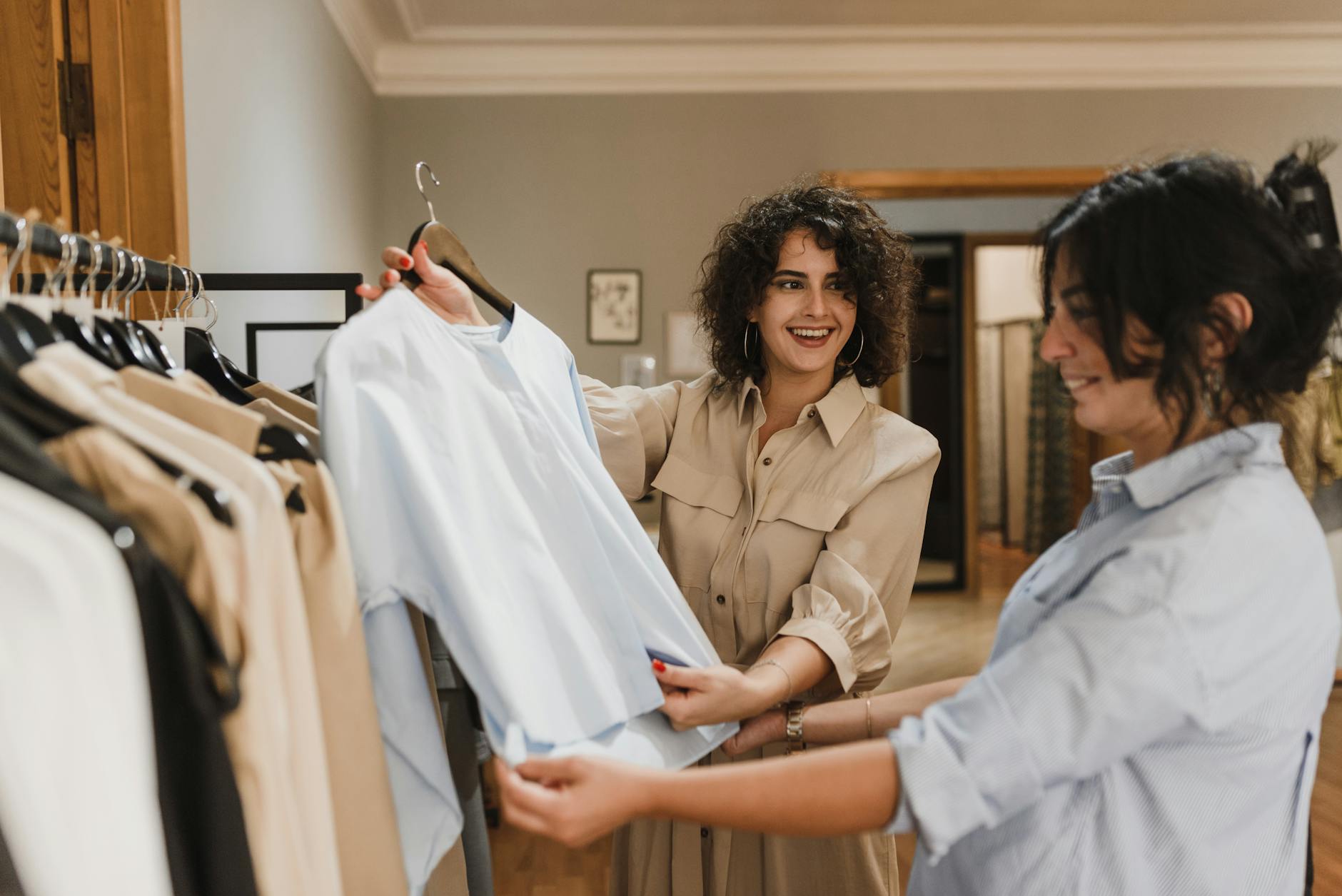
Branded clothing has never been more strategically important — and the way people respond to it has shifted dramatically in recent years. Whether you’re a marketing manager in Sydney building a campaign around custom uniforms, a Melbourne sports club sourcing new training gear, or a Brisbane business looking to strengthen team culture, understanding custom apparel consumer behaviour is essential to making smart, impactful decisions. The patterns that shaped purchasing and perception in 2024 continue to influence the market into 2026, and if you haven’t revisited your approach to branded clothing recently, there’s a good chance you’re leaving real value on the table.
Why Custom Apparel Consumer Behaviour Matters More Than Ever
The promotional products industry has matured significantly. Consumers — whether employees wearing branded workwear, event attendees taking home a custom tee, or sports club members pulling on a new polo — are more discerning than ever before. They notice quality. They care about sustainability. And they form genuine brand associations based on the garments they receive and wear.
For Australian businesses and organisations investing in custom apparel, this means the stakes are higher. A poorly chosen item, a cheap print that cracks after two washes, or a garment that simply doesn’t fit well can actively damage the impression you’re trying to create. Conversely, a well-constructed, thoughtfully decorated piece of branded clothing can become something people actually want to wear — turning your brand into a walking billboard without any ongoing cost.
Understanding what drives these reactions is at the heart of custom apparel consumer behaviour. And in 2024, several clear patterns emerged that are still shaping how smart organisations approach their branded merchandise strategies.
To understand the broader industry context behind these trends, it’s worth reading our overview of the promotional products growth forecast for Australia — which outlines where investment is heading across the sector.
Quality Over Quantity: A Defining Shift in Consumer Expectations
One of the most consistent findings from 2024 purchasing behaviour data is that recipients and wearers have moved firmly toward quality preferences. The old model — order 500 cheap shirts, hand them out, hope for the best — is increasingly ineffective.
Australian consumers, particularly in the 25–45 age bracket, report that they’re far more likely to wear and retain branded apparel that genuinely feels and looks good. A hoodie with a well-executed embroidered logo from a Perth company’s annual conference is more likely to end up in someone’s regular rotation than a thin-fabric screen printed tee that pills after a few washes.
This has practical implications for how you allocate your budget. Ordering fewer items at a higher per-unit cost often delivers better results than larger runs of lower-quality product. A smaller, well-targeted distribution of premium branded polo shirts — say, for a corporate partner gifting campaign in Adelaide or a Gold Coast real estate agency’s team wardrobe — will generate more positive impressions than mass-distributing bargain garments.
Decoration Method Influences Perception
How a logo or design is applied to a garment significantly affects how it’s perceived. Embroidery consistently performs well for professional, high-end associations — it conveys quality and permanence. Screen printing remains the go-to for high-volume runs and bold, colourful artwork, particularly for events and sports clubs. Sublimation is increasingly popular for sportswear and activewear where full-colour, edge-to-edge decoration is required.
For organisations unsure which method suits their needs, our detailed breakdown of decoration options and promotional marketing approaches is a useful starting point.
Sustainability Is No Longer a Niche Preference
In 2024, sustainability moved from a “nice to have” to an active purchase driver for a significant portion of the market. This shift in custom apparel consumer behaviour is particularly pronounced among university students, corporate employees under 40, and government and council workers who are subject to increasingly stringent procurement guidelines.
Organic cotton tees, recycled polyester activewear, bamboo-blend polos, and garments certified to ethical manufacturing standards are all seeing growing demand. A Canberra government department sourcing uniforms or event merchandise is now far more likely to request evidence of ethical sourcing than they were five years ago.
For sports clubs, particularly those with strong community values, choosing sustainably produced training gear sends a powerful message to members, parents, and supporters. It aligns the club’s visible brand with values that resonate deeply in 2026’s cultural climate.
If you’re exploring this space, our guide to sustainable promotional items covers the key product options and certifications to look for when sourcing eco-conscious apparel and merchandise.
The Role of Personalisation in Driving Engagement
Personalisation goes beyond simply printing a logo on a shirt. In 2024, consumer behaviour data clearly showed that people assign far greater value to items that feel individually relevant to them. This might mean name-printed workwear for new employee onboarding kits, player-specific numbering and names on sports club jerseys, or custom colour matching to a recipient’s team or department.
The psychological mechanism here is well established — people feel more connected to objects that feel made for them. This translates directly into retention rates, wear frequency, and positive brand association.
For sporting clubs especially, personalised garments are a genuine community-builder. A Hobart football club that produces custom training jerseys with individual player numbers isn’t just providing workwear — it’s building identity and belonging.
Beyond apparel, this personalisation trend flows through to complementary merchandise. Pairing custom clothing with personalised stubby holders for a club event or personalized tote bags for a corporate gifting campaign extends the personalised experience across the entire brand touchpoint.
Event-Driven Apparel Purchasing Remains Strong
Despite the growth of year-round merchandise programs, events remain a powerful catalyst for custom apparel orders in Australia. Conferences, trade shows, school sports days, charity fun runs, and corporate team-building days all drive significant demand for branded clothing.
The key behavioural insight here is that event merchandise — when it’s genuinely good quality — creates a lasting memory anchor. A Darwin conference delegate who received a quality branded polo in 2024 may still be wearing it (and thinking about that brand) two years later.
For trade show and expo contexts, custom apparel is just one component of a broader brand presence. If you’re building out a full event experience, our guide to trade show exhibit booths covers how to integrate apparel into your overall booth strategy effectively. Similarly, for events involving wristbands and access management alongside branded clothing, our overview of wristbands for events is worth a read.
Planning Lead Times and MOQs for Event Orders
One practical outcome of understanding apparel consumer behaviour is recognising the importance of lead time on satisfaction. Items that arrive after an event — or just before, in a frantic rush — create stress and often compromise quality decisions. Most custom apparel orders require a minimum of 10–15 business days for standard production, with some sublimation and embroidery jobs taking longer depending on complexity and supplier capacity.
Minimum order quantities (MOQs) vary by product and decoration method. Screen printed tees typically start from 20–50 units. Embroidered polos may have MOQs from 12–24 pieces. Sublimated sportswear can sometimes be ordered from as few as 5–10 pieces per design, making it more accessible for smaller clubs.
For insights into how supply chains are currently affecting lead times, our piece on supply chain trends in the Australian promotional product industry is essential reading for anyone planning a significant order.
Small Business Adoption of Custom Apparel Is Accelerating
A notable trend in 2024 custom apparel consumer behaviour was the continued growth of small business investment in branded clothing. Where custom apparel was once seen as a large-organisation tool, improving accessibility — through lower MOQs, digital printing advances, and more competitive pricing — has opened the market to cafés, tradies, boutique fitness studios, and local retailers right across Australia.
A Perth tradie investing in embroidered hi-vis shirts for a small crew, or a Melbourne café outfitting three staff in custom aprons and branded tees, is now a common and commercially sensible decision. The perceived professionalism that comes with consistent branded clothing pays back quickly in customer trust and staff cohesion.
For small businesses just beginning their branded merchandise journey, our guide to promotional products for small business is a practical starting point covering budgeting, product selection, and supplier considerations.
When combining apparel with other branded items for a small business launch or rebrand, complementary products like printed USB drives and Parker Company pens can round out a professional brand kit without blowing the budget.
What This Means for Your 2026 Custom Apparel Strategy
The consumer behaviour patterns that defined 2024 have consolidated and deepened into 2026. Organisations that understand these shifts — toward quality, sustainability, personalisation, and strategic deployment — are consistently seeing better returns on their branded apparel investment.
The takeaway isn’t complicated, but it does require a more considered approach than simply placing a bulk order and hoping for the best. Think carefully about who is receiving your branded garments, what impression you want them to form, and how the product fits into a broader brand strategy.
For help finding a local supplier or print shop to bring your apparel vision to life, our resources on printing near me and print shop near me can point you in the right direction.
Key Takeaways
- Quality outperforms quantity — investing in fewer, better-quality garments consistently delivers stronger brand recall and wear frequency than mass-distributing cheap items.
- Sustainability is now a mainstream expectation, particularly in corporate, government, and education sectors; choosing ethical, eco-certified apparel aligns your brand with current community values.
- Personalisation drives emotional connection — name printing, player numbering, and individually tailored elements significantly increase how much recipients value branded clothing.
- Events remain the largest single driver of custom apparel orders in Australia, but lead time planning and realistic MOQ expectations are critical to a smooth, high-quality outcome.
- Small businesses across Australia are increasingly adopting custom apparel as an accessible, high-impact branding tool — and the options available to them have never been better.