
Branded Pet Toys for Pet Food Brands: A Complete Australian Marketing Guide
Discover how Australian pet food brands can use branded pet toys to boost loyalty, drive engagement, and stand out in a competitive market.

Written by
Zoe Farah
Industry Trends & Stats
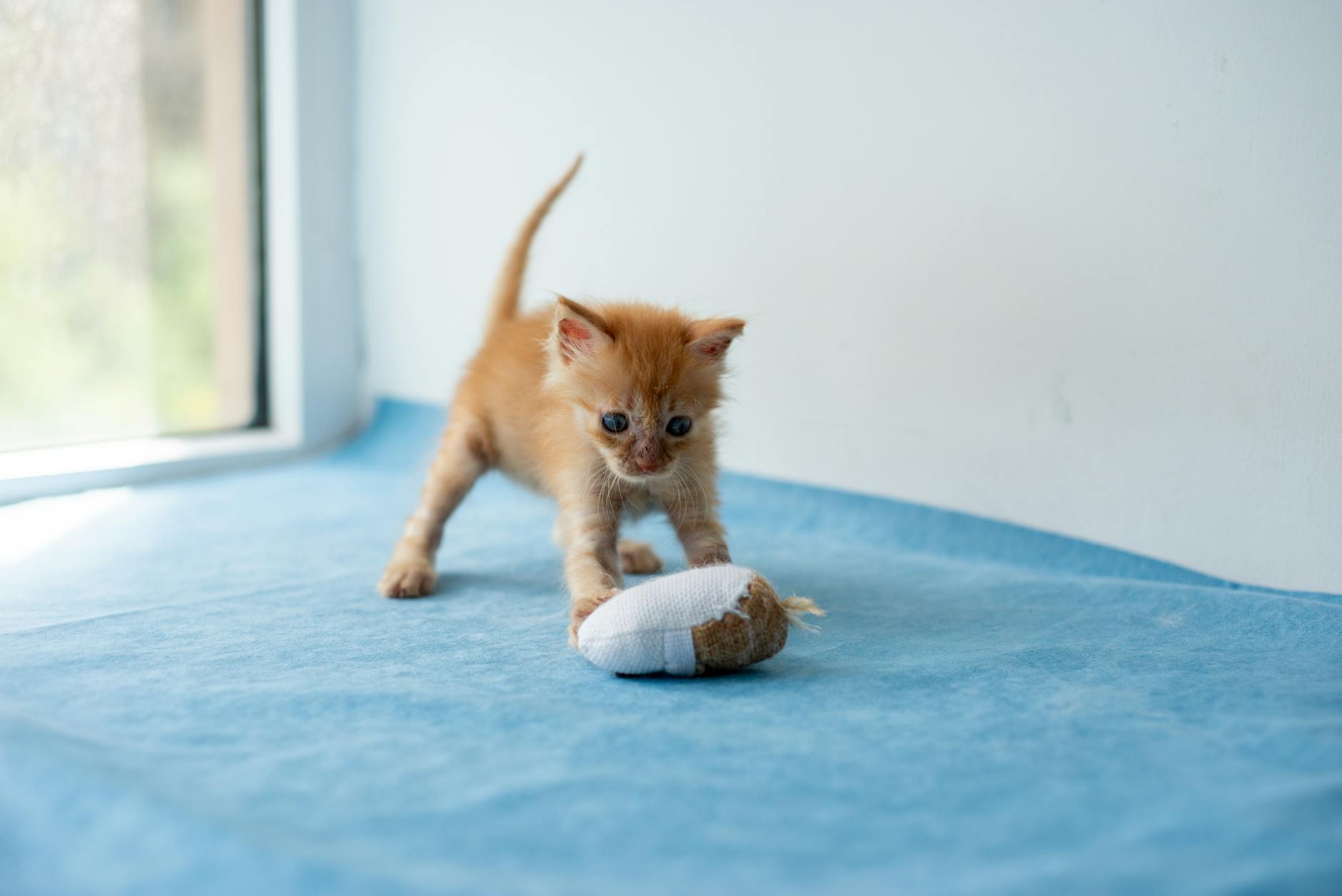
If you work in marketing for a pet food brand, you already know that the Australian pet industry is one of the most emotionally driven markets in the country. Pet owners don’t just buy food — they invest in their animals’ happiness, health, and wellbeing. That emotional connection is exactly why branded pet toys for pet food brands in Australia represent one of the smartest, most underutilised promotional product opportunities available right now. Whether you’re launching a new product line, attending a trade show, running an in-store promotion, or building long-term customer loyalty, custom branded pet toys give your audience something genuinely useful — and something they’ll associate with your brand every single day.
Why Pet Food Brands Should Invest in Branded Pet Toys
The Australian pet industry has grown significantly over the past decade, with pet ownership rates continuing to climb across major cities and regional areas alike. According to industry research, Australia is one of the highest pet-owning nations in the world per capita — and pet food is a fiercely competitive category. Brands are always searching for ways to differentiate themselves on crowded supermarket shelves and in the expanding world of direct-to-consumer pet food delivery.
Promotional products have long been a proven tactic for building brand recall and driving loyalty. The logic is straightforward: the more often someone interacts with your brand in a positive context, the more trust you build over time. A branded squeaky toy sitting on a living room floor in a Sydney apartment, a rope pull toy hanging off a fence in suburban Brisbane, or a plush ball rolling across a Perth backyard — these are daily, tactile brand touchpoints that no digital ad can replicate.
It’s also worth noting that the promotional products growth forecast for Australia continues to show strong momentum, with personalised, functional items outperforming generic giveaways. Pet toys tick every box: they’re functional, emotionally resonant, and often have a long lifespan compared to consumable promotional items.
What Types of Branded Pet Toys Work Best for Pet Food Brands?
Not all pet toys are created equal — and from a branding perspective, some formats lend themselves to customisation far better than others. Here’s a breakdown of the most popular options and how they translate to branded merchandise for pet food companies.
Plush Squeaky Toys
Plush toys are arguably the most popular custom pet toy format. They’re soft, eye-catching, and can be manufactured in almost any shape — making them ideal for pet food brands that want to create a mascot character or brand-themed design. Imagine a dog food brand producing a plush toy in the shape of their brand icon, or a cat food company launching a plush fish or bird. These designs become collectables and generate genuine excitement on social media.
Minimum order quantities (MOQs) for custom plush toys typically start at 500–1,000 units, with full customisation available from the ground up. Lead times are generally 8–12 weeks for fully custom designs, so planning ahead is essential — especially if you’re targeting a seasonal promotion or a major pet industry event.
Rubber and Silicone Chew Toys
Durable rubber and silicone toys appeal to dog owners and offer a long product lifespan, which means sustained brand exposure. These can be laser engraved or pad printed with your logo, though keep in mind that decoration on rubber substrates requires careful selection of printing methods to ensure longevity. Our quality guide to debossing for promotional products explores how debossing can be an excellent option for rubber and silicone items, creating a tactile, permanent brand impression without the risk of ink peeling.
Rope and Tug Toys
Rope toys are affordable, practical, and suit a wide range of dog breeds and sizes. They’re a great option for pet food brands working with tighter budgets or larger distributions — such as including them as a gift-with-purchase in retail packs or mailing them out as part of a loyalty programme. Branding is typically applied via a printed tag or card attached to the toy, which allows full-colour artwork and detailed brand messaging.
Interactive Puzzle Feeders and Enrichment Toys
This category is growing rapidly, particularly among premium pet food brands positioned around health, cognition, and natural behaviour. Branded puzzle feeders or slow-feeder bowls sit at the intersection of functional product and promotional item — and they tie in perfectly with a premium pet food brand’s core message. These items typically carry higher unit costs but deliver exceptional perceived value.
Cat Toys and Accessories
Cat toy branding is often overlooked compared to dog products, but cat owners are an incredibly engaged and brand-loyal audience. Feather wands, catnip pouches, and crinkle toys can all be customised with branded packaging, tags, or printed labels. This is a strong opportunity for cat food brands looking to differentiate in a category that typically defaults to price-based competition.
How to Use Branded Pet Toys in Your Marketing Strategy
Knowing which products are available is only half the equation. The real value comes from integrating branded pet toys intelligently into your wider marketing activity.
Gift With Purchase Promotions
One of the most effective applications for a pet food brand is including a branded toy as a gift with purchase at key retail periods — think Christmas, Easter, RSPCA Million Paws Walk fundraising season, or even the launch of a new product range. This tactic drives both trial and repeat purchase, while giving your brand a physical presence in the customer’s home.
If you’re running a multi-channel promotion, consider pairing your branded toy with reusable branded water bottles or eco-friendly accessories for a more comprehensive brand pack — especially effective for premium pet food brands targeting sustainability-conscious consumers.
Trade Shows and Industry Events
Pet industry trade shows and expos — from events in Melbourne’s convention precinct to the Sydney pet industry summits — are prime opportunities to distribute branded merchandise to trade buyers, retail partners, and media. At a busy trade show exhibit booth, a branded pet toy sitting on your stand immediately communicates your category and creates a conversation starter. People remember brands that make them smile.
Loyalty Programmes and Subscription Boxes
Direct-to-consumer pet food brands running subscription services can include a branded toy in milestone reward packages — for example, when a subscriber reaches their third or sixth month. This reinforces retention and creates genuine delight. Pair your toy with a personalised card and other promotional products for small business staples like branded stickers or branded tote bags to build a compelling unboxing experience.
Influencer and Blogger Partnerships
Australia has a thriving community of pet influencers — dogs and cats with tens of thousands of Instagram and TikTok followers, along with the humans who manage their accounts. Sending a well-designed branded toy kit as part of an influencer seeding campaign can generate organic social content that reaches highly engaged, category-relevant audiences. The toy becomes both the product and the content — especially if it’s visually distinctive.
Vet Clinics and Pet Retail Partners
Partnering with veterinary clinics, grooming salons, and independent pet shops in cities like Adelaide, Hobart, and Darwin to distribute branded toys as waiting room giveaways or purchase incentives is a fantastic way to extend your reach into local communities. This is a classic promotional marketing tactic that works particularly well for brands building regional awareness.
Practical Considerations for Ordering Branded Pet Toys in Australia
Before you brief a supplier, there are several practical factors to think through carefully.
Safety Standards: Pet toys need to meet Australian consumer product safety requirements. Ensure your supplier can provide relevant safety certifications, particularly for products intended for use by dogs or cats. This is non-negotiable — your brand’s reputation depends on it.
Material Choices: Many pet food brands are increasingly sustainability-focused, and your promotional products should reflect that positioning. Natural rubber, organic cotton rope, and recycled materials are all available options. Our sustainable promotional items guide is an excellent resource for understanding which material choices align with responsible sourcing.
Decoration Methods: As touched on earlier, not every decoration method suits every substrate. Screen printing works well on fabric elements, laser engraving and debossing suit rubber and silicone, and pad printing is common on hard plastic components. Understanding these distinctions will help you brief your supplier accurately and set realistic expectations for artwork outcomes.
Lead Times and Planning: Custom pet toys — particularly fully bespoke plush designs — require longer lead times than off-the-shelf promo items. If you’re ordering from overseas manufacturers (which is common for custom plush), factor in current supply chain trends in the Australian promotional product industry when setting your project timeline. Build in buffer time, especially around Chinese New Year, which affects manufacturing windows significantly.
Finding the Right Supplier: Working with experienced promotional products companies in Australia who understand compliance requirements, can manage quality control, and have existing relationships with pet toy manufacturers will save you significant time and stress. Ask for product samples before committing to large orders — this is standard industry practice and any reputable supplier will accommodate the request.
For brands exploring broader customisation options beyond pet toys, it’s also worth investigating what’s possible with complementary promotional items like printed USB drives for trade show media kits, or promotional plant pots for interior design companies as inspiration for how niche categories can anchor a memorable brand experience in everyday environments.
Budgeting for Branded Pet Toys
Unit costs vary considerably depending on the product type, customisation level, and order quantity. As a rough guide:
- Branded rope or simple fabric toys with printed tags: $3–$8 per unit at quantities of 500+
- Rubber or silicone toys with debossed logo: $5–$12 per unit at quantities of 500+
- Custom plush toys (semi-custom using existing moulds): $8–$18 per unit at quantities of 500+
- Fully bespoke custom plush (unique design from scratch): $15–$35+ per unit at quantities of 1,000+
Setup fees, sample costs, and freight should all be factored into your total budget. Brands ordering larger quantities will access better unit pricing, so it’s worth consolidating orders where possible rather than running multiple small runs throughout the year.
Conclusion: Key Takeaways for Pet Food Brands Investing in Branded Pet Toys
Branded pet toys for pet food brands in Australia represent a genuinely powerful marketing tool when planned and executed well. They connect your brand to moments of joy, build emotional loyalty with pet owners, and deliver sustained brand visibility in the home environment. Here’s a summary of the most important points to carry forward:
- Plan early — fully custom pet toys, especially plush, require 8–12+ weeks of lead time and should be factored into campaign calendars well in advance.
- Prioritise safety — ensure any branded pet toy you distribute meets Australian product safety standards and that your supplier provides appropriate certifications.
- Match materials to your brand values — sustainability-conscious pet food brands should explore natural, recycled, or organic material options to maintain positioning consistency.
- Integrate toys into a broader strategy — the greatest ROI comes from combining branded pet toys with gift-with-purchase mechanics, loyalty programmes, influencer seeding, or trade show activations rather than distributing them in isolation.
- Work with experienced local suppliers — partnering with knowledgeable Australian promotional product suppliers ensures compliance, quality control, and smoother project management from brief to delivery.